
How to Buy Concert Tickets Without Getting Burned: A Collector’s Playbook

There’s a moment every concertgoer knows: the countdown hits zero, the queue opens, and suddenly you’re staring at prices that feel like a dare. Buying concert tickets today isn’t just about being fast—it’s about being informed, strategic, and a little skeptical. If you’re building a collection or just trying to get into the room without overpaying, you need a system.
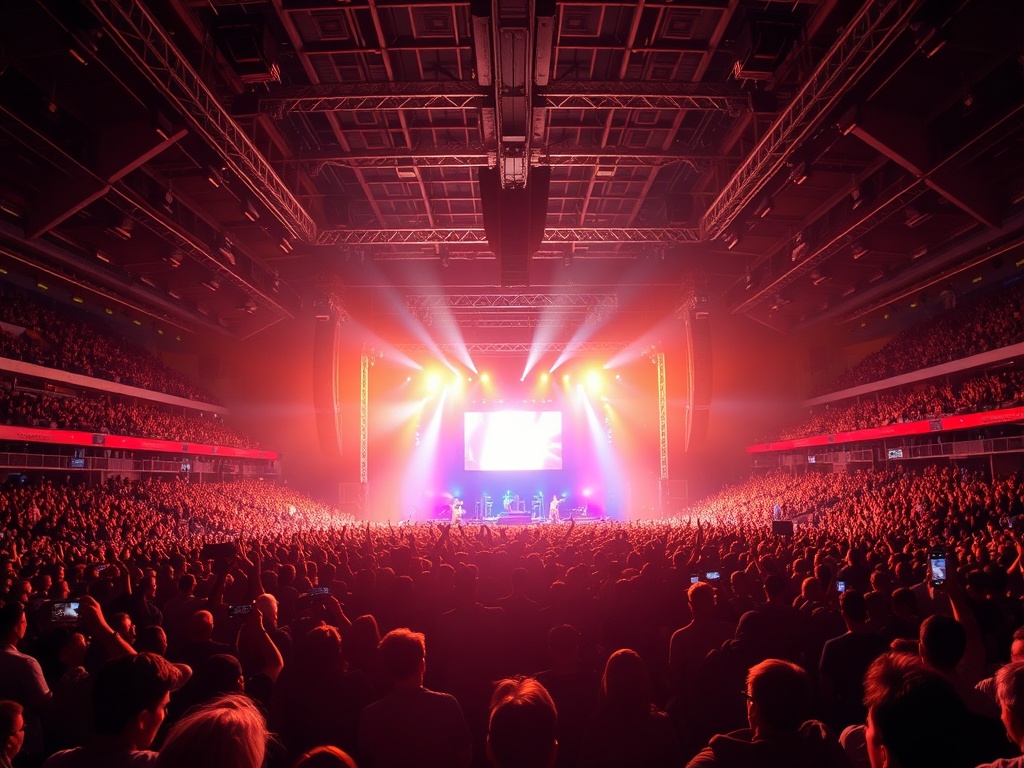
Understand the Modern Ticket Ecosystem
The ticket you buy has likely passed through multiple hands before it reaches you. Primary sellers release inventory, presales carve out chunks, bots scoop up the rest, and resale platforms turn scarcity into markup. That’s the reality.
If you treat every ticket listing as equal, you’ll overpay. Instead, learn the layers: primary sales, verified resale, broker inventory, and peer-to-peer listings. Each behaves differently in pricing and risk.
- Primary sales: face value, lowest risk, hardest to secure
- Verified resale: safer, but marked up
- Broker listings: often speculative pricing
- Peer-to-peer: potential deals, higher risk
Timing Is Everything (But Not in the Way You Think)
Most people assume buying early is always best. That’s only true for high-demand shows with limited supply. In many cases, prices spike during hype cycles and settle closer to the event.
The sweet spot often lives in two windows: immediately at release (if you’re prepared) or within 24–72 hours before the show, when sellers start prioritizing liquidation over profit.
Collectors should pay special attention to tour patterns. Multi-night runs behave differently than one-off shows. Festivals introduce entirely different pricing dynamics.
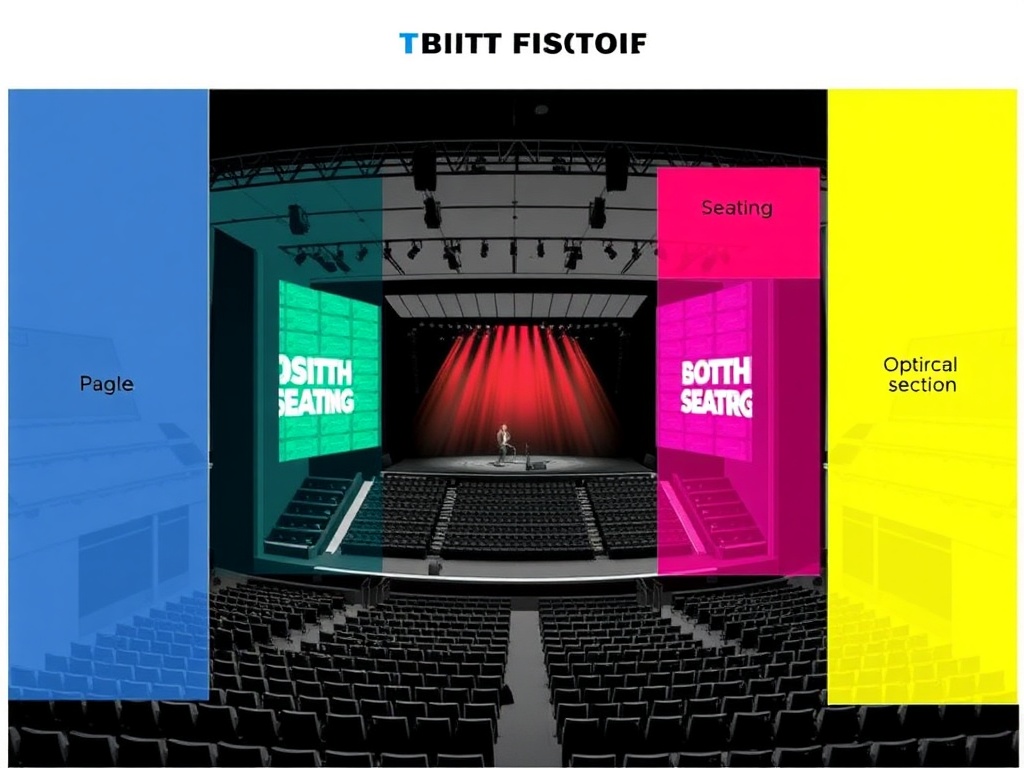
Seat Selection Is a Strategy, Not a Preference
There’s a difference between the best seat and the best value. Floor seats might look appealing, but acoustics, sightlines, and crowd density can work against you.
Experienced buyers often target:
- Lower bowl side sections for balanced sound and view
- Front row of upper sections for unobstructed sightlines
- Aisle seats for flexibility and comfort
Collectors also consider ticket design. Certain sections or VIP packages come with physical memorabilia—laminates, specialty prints, or limited-edition stock that holds long-term value.
Spotting Fake or Risky Listings
Not all risks are obvious. Some listings look legitimate but carry hidden issues: delayed delivery, restricted transfer, or conditional access.
Watch for:
- Vague delivery timelines (“before event” instead of a date)
- Prices significantly below market averages
- Unclear seat numbers or sections
- Seller ratings that feel inflated or generic
Digital ticketing has reduced outright counterfeits, but it has introduced new friction—especially with transfer restrictions tied to specific apps or accounts.
Presales: Access Without the Chaos
Presales are often misunderstood. They’re not just early access—they’re segmented access. Credit card partnerships, fan clubs, and venue lists all unlock different inventory pools.
If you rely on a single presale, you’re limiting your odds. Stack your access:
- Sign up for artist mailing lists
- Register for venue alerts
- Use multiple presale codes where possible
The goal isn’t just entry—it’s optionality. The more doors you can open, the better your chances of finding value.

When to Walk Away
This is where most buyers fail. The pressure to secure a ticket can override logic. If prices are inflated beyond reason, stepping back is often the smartest move.
Markets correct themselves. Tours expand. Additional dates get added. Sellers panic closer to showtime. Walking away doesn’t mean missing out—it often means buying smarter later.
Building a Ticket Collection That Matters
If you’re collecting, not just attending, your criteria changes. You’re looking for tickets that tell a story: first shows, final tours, iconic venues, or unique print designs.
Digital tickets dominate now, but physical tickets still exist—and they carry weight. Limited-run commemorative tickets, VIP packages, and specialty prints are where collectors should focus.
Condition matters. Storage matters. Provenance matters. A ticket tied to a memorable event—whether cultural, musical, or personal—always holds more value than a random seat at a random show.
The Real Advantage: Information and Patience
The buyers who consistently win aren’t the fastest—they’re the most informed. They understand pricing behavior, recognize patterns, and stay disciplined when others panic.
Concert tickets are no longer just access passes. They’re assets in a dynamic market shaped by demand, scarcity, and emotion. Treat them accordingly.
And when you finally walk through those gates, ticket in hand, knowing you didn’t overpay—that’s part of the experience too.