
How to Start Your Concert Ticket Collection: A Beginner’s Guide

Collecting concert tickets is more than just a hobby—it's a journey through music history. Whether you're just starting or you're looking to expand your collection, there are a few things you should know before diving in. This guide will walk you through the basics of starting your very own concert ticket collection.
1. Understand the Value of Concert Tickets
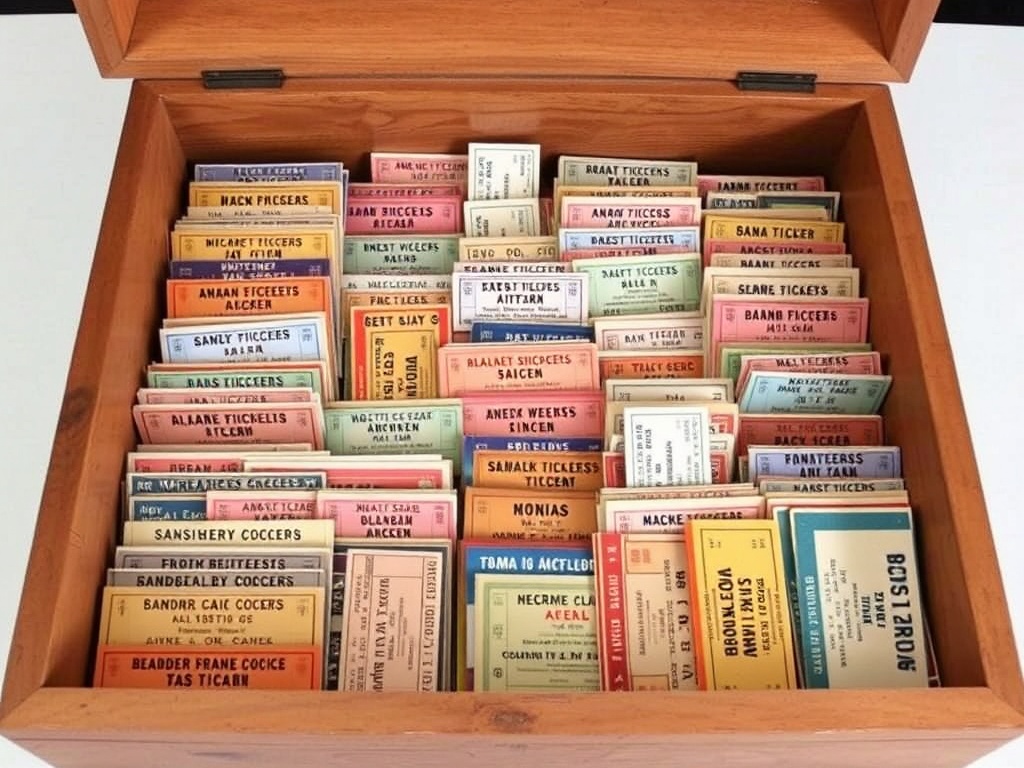
Before you start buying or collecting tickets, it's important to understand what makes certain concert tickets valuable. While all concert tickets can hold sentimental value, certain tickets are considered more valuable due to their rarity, historical significance, or connection to legendary performances.
2. Choose a Focus for Your Collection
One of the first decisions you'll need to make is what type of concert tickets you want to collect. Some collectors focus on tickets from specific eras, like the 1970s or 1990s, while others collect tickets from specific artists, such as Led Zeppelin or David Bowie. You could also choose to focus on a particular genre of music, such as rock, jazz, or electronic.

3. Where to Buy Concert Tickets
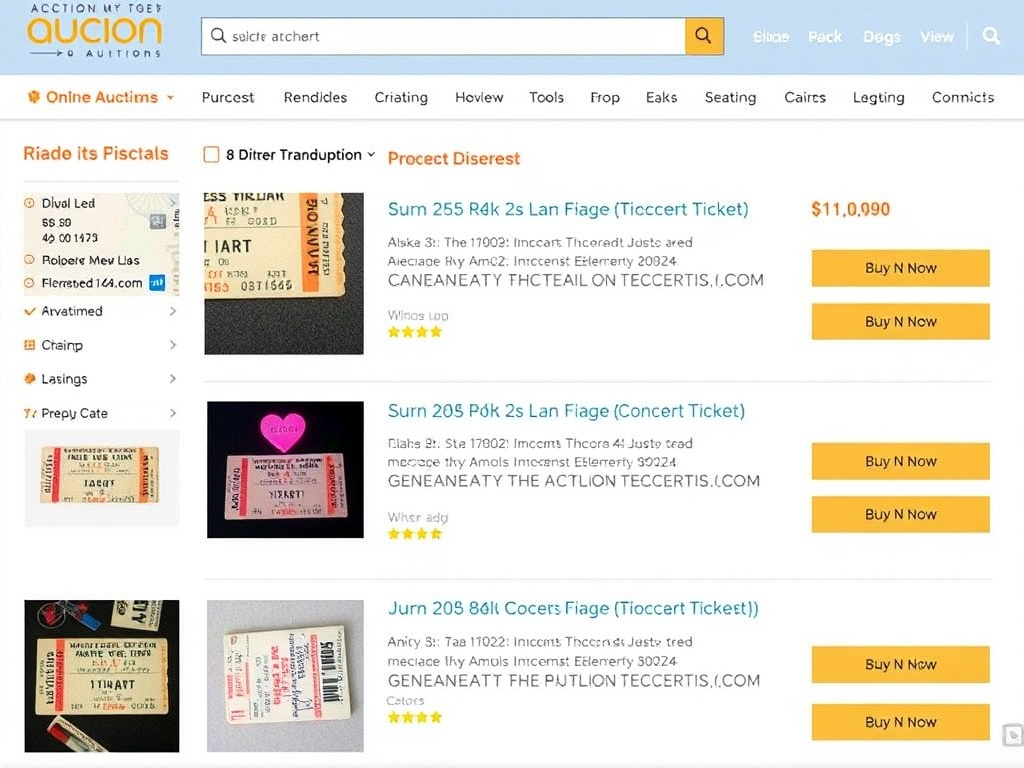
There are many places where you can find concert tickets for your collection. Some of the best places include online auction sites, ticket marketplaces, and collector conventions. Online auction sites like eBay often feature tickets from rare concerts that aren't available anywhere else. You can also find concert tickets through websites dedicated to music memorabilia.
4. Properly Store Your Concert Tickets
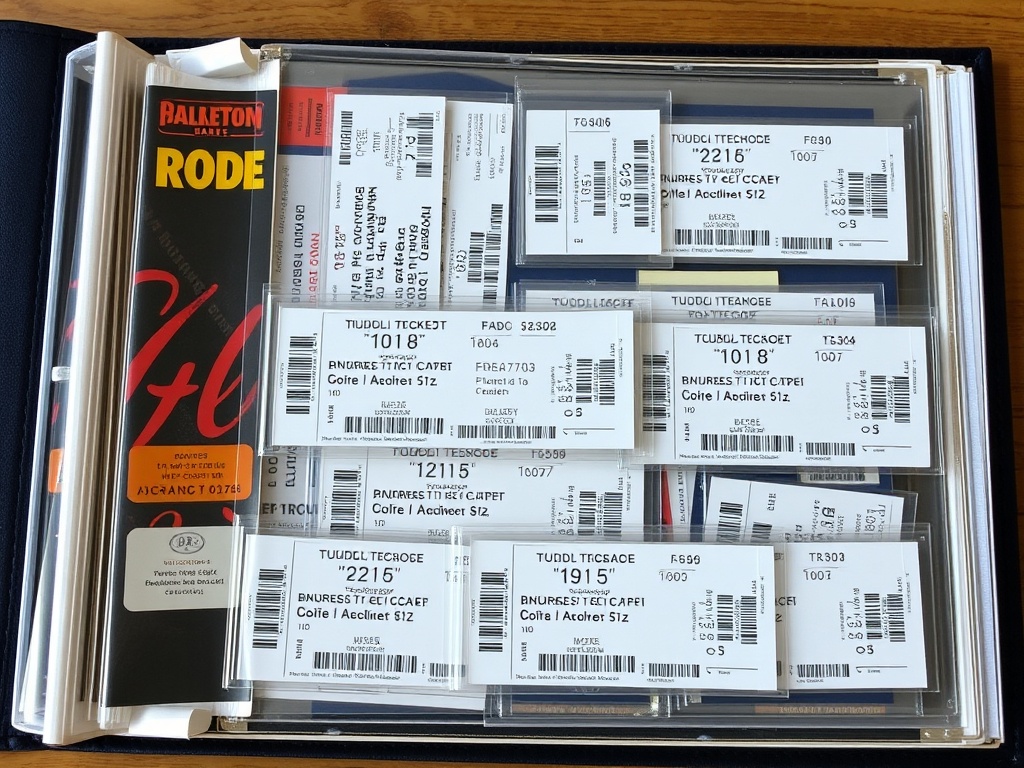
Once you've acquired your tickets, it's essential to store them properly. Concert tickets are often delicate and can be easily damaged by humidity, light, or improper handling. To preserve your tickets for years to come, store them in acid-free sleeves or frames. You can also invest in a display book or binder with plastic sheets for each ticket.
5. Displaying Your Collection
Once you've started collecting concert tickets, displaying your collection is the next step. Displaying your tickets not only preserves them, but it also allows you to show off your prized possessions. You can display your tickets in frames, shadow boxes, or on a wall-mounted shelf. Make sure to keep them away from direct sunlight and humidity, as both can cause fading and deterioration.

6. Keep Track of Your Collection
As your collection grows, it’s important to keep track of the tickets you own and their details. You can do this using a physical logbook or by creating a digital spreadsheet. Note down the date, location, artist, and other relevant information about each ticket. This will help you keep track of your collection and will come in handy if you're looking to sell or trade tickets in the future.
Conclusion
Starting a concert ticket collection can be an exciting and rewarding experience. Whether you're collecting for nostalgia, investment, or personal enjoyment, taking the time to learn about the value of tickets, proper storage, and finding rare gems will ensure your collection thrives. Happy collecting!