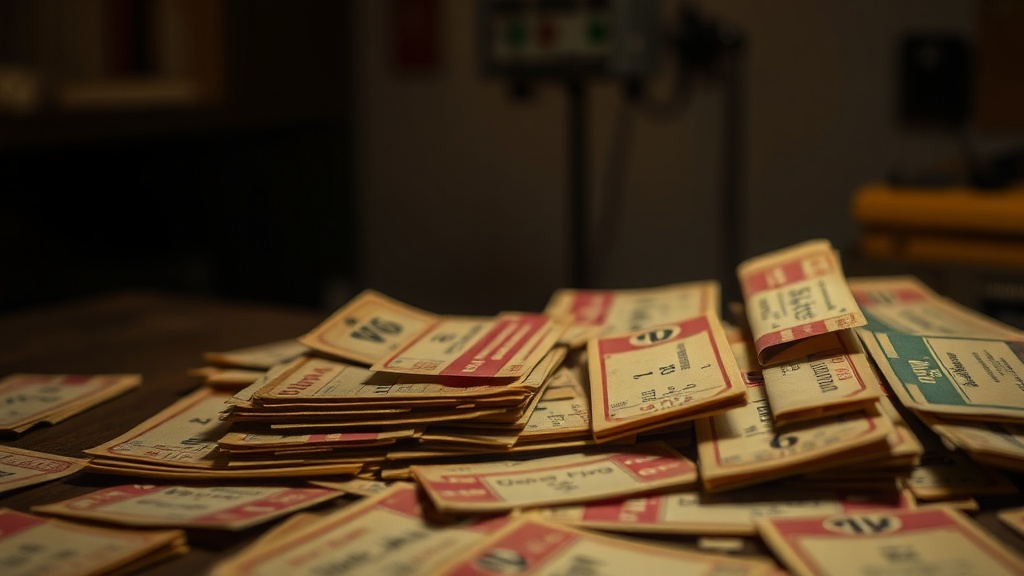
Protecting Your Vintage Paper Stub Collection from Damage

What Happens When Your Most Prized Stubs Meet the Elements?
Are you worried that a single drop of humidity or a stray fingerprint might ruin a piece of history? When you collect physical concert memorabilia, you aren't just holding paper; you're holding a specific moment in time. Whether it's a weathered 1970s rock stub or a pristine 1990s souvenir ticket, the material is often incredibly fragile. This guide covers the specific methods used to safeguard paper-based music history from the natural processes of decay, light damage, and physical wear.
The reality is that paper is a living medium in many ways. It reacts to the world around it. If you keep your collection in a standard drawer, you might think it's safe, but environmental factors are constantly working against you. We'll look at how to manage storage, how to handle items without causing damage, and how to spot the early signs of deterioration before it's too late.
Is Acid-Free Storage Really Necessary for Concert Tickets?
You might wonder if a simple plastic sleeve is enough, but the chemistry of paper tells a different story. Many older tickets were printed on paper with high acid content. When these items sit in standard, cheap plastic or non-archival folders, a process called acid migration begins. This leads to yellowing, brittleness, and that distinct "old paper" smell that often signals a breakdown in the fibers.
To prevent this, you should look for items labeled as acid-free or archival-grade. This applies to two main areas: the paper itself and the containers. If you're using sleeves, ensure they are made of polypropylene or polyester (often called Mylar). Avoid PVC at all costs—PVC is a notorious enemy of collectibles because it releases gases that can actually melt or discolor the ink on your tickets. You can find more technical details on the long-term stability of paper through the Library of Congress archives, which discuss the preservation of physical documents.
When selecting storage solutions, consider these three tiers:
- Tier 1: Single Sleeves. Ideal for individual, high-value tickets. Use heavy-duty polypropylene.
- Tier 2: Rigid Binders. Good for organizing a sequence of shows, but ensure the binder pages are archival-grade.
- Tier 3: Acid-Free Boxes. The gold standard for bulk storage. This keeps the tickets flat and protects them from light.
A common mistake is using standard photo albums. These often contain adhesives or certain plastics that can bond to the ticket surface over several years. If you've ever tried to peel a ticket out of an old album and felt it resist, you've seen the damage firsthand.
How Can I Prevent Light Damage and Fading?
Light is perhaps the most aggressive force acting on a collection. Ultraviolet (UV) rays break down chemical bonds in both the paper fibers and the ink. If you've ever seen a concert ticket that looks "washed out," it's likely because it spent too much time near a window or under bright incandescent lights. This is especially true for tickets with vibrant, multi-colored lithography.
To combat this, you have a few options. If you want to display your collection, use UV-protective glass or acrylic. Standard glass won't stop the rays, but specialized museum-grade acrylic can block a significant percentage of UV light. If you are storing your collection in a box, make sure that box isn't sitting in an attic or a basement where temperatures fluctuate. Stability is key. A sudden jump from 60 degrees to 80 degrees can cause the paper to expand and contract, leading to micro-tears or warping.
The Importance of Temperature and Humidity Control
A stable environment is the difference between a collection that lasts a lifetime and one that falls apart in a decade. High humidity is the enemy of paper because it encourages mold growth and can make the paper soft and "limp." On the flip side, extremely dry air can make the paper so brittle that it cracks when you touch it. Ideally, you want a steady environment—around 35% to 50% relative humidity is the sweet spot for most paper collectibles.
If you are storing your collection in a basement or an attic, you are taking a risk. These areas are prone to extreme shifts. A dedicated storage room or a controlled office space is much safer. For those interested in the science of material degradation, the Library of Congress preservation guides offer deep dives into how environmental factors affect various media.
How Should I Handle My Tickets to Avoid Damage?
Even with the best storage, the way you interact with your collection matters. The oils and acids on your skin are actually quite corrosive. A single touch from a bare hand can leave a permanent smudge or a dark spot that shows up years later. This is especially true for matte-finish tickets or those with older, more absorbent paper types.
Always follow these handling rules:
- Use Gloves: A pair of clean, white cotton gloves is your best friend. If you can't find cotton, nitrile gloves (powder-free) work too.
- Clean Hands: If you must touch a ticket without gloves, wash and dry your hands thoroughly first. Use a mild, unscented soap to remove any oils.
- Minimal Movement: Don't flip through your collection like a deck of cards. Each time you move a ticket, you risk a tiny amount of mechanical stress.
If you find a ticket that is already showing signs of "foxing"—those little brown spots often seen on old paper—don't panic. Foxing is often caused by fungal growth or iron oxidation within the paper. While it's difficult to reverse, keeping the item in a dry, stable environment will prevent it from getting worse. It's a sign of age, but it's also a warning to check your humidity levels.