
The One Rule That Changes How You Buy Concert Tickets Forever

Quick Tip
Buy concert tickets during price correction periods, not during emotional peaks like initial sales or resale hype.
If you’ve ever walked away from a ticket checkout feeling slightly robbed—or worse, empty-handed—you’re not alone. The ticket market isn’t just about demand; it’s about timing, psychology, and knowing when not to act. After years of watching patterns across tours, resale spikes, and fan behavior, one rule consistently separates casual buyers from collectors who always seem to win.
The Rule: Don’t Buy at Peak Emotion
The moment tickets drop—or the moment you realize a show might sell out—is exactly when prices are most distorted. This is when hype is loudest, supply looks scarce, and your brain starts making expensive decisions.
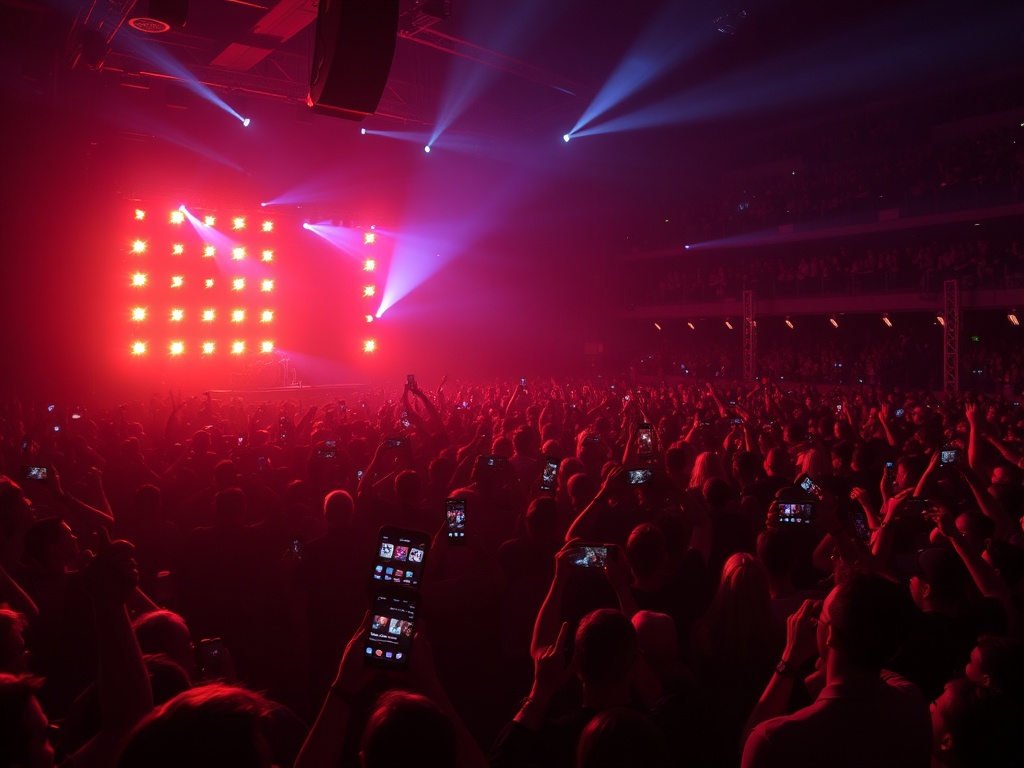
Peak emotion buying happens in two situations:
- On-sale rush — you panic-buy whatever is available.
- FOMO spikes — resale prices surge and you assume it will only get worse.
In both cases, you’re reacting—not strategizing.
Why This Rule Works (Even for Sold-Out Shows)
Concert ticket pricing isn’t linear. It behaves more like a wave:
- Initial release → chaotic demand
- Immediate resale → inflated listings
- Mid-cycle → price corrections
- Final days → volatility (drops or spikes depending on demand)
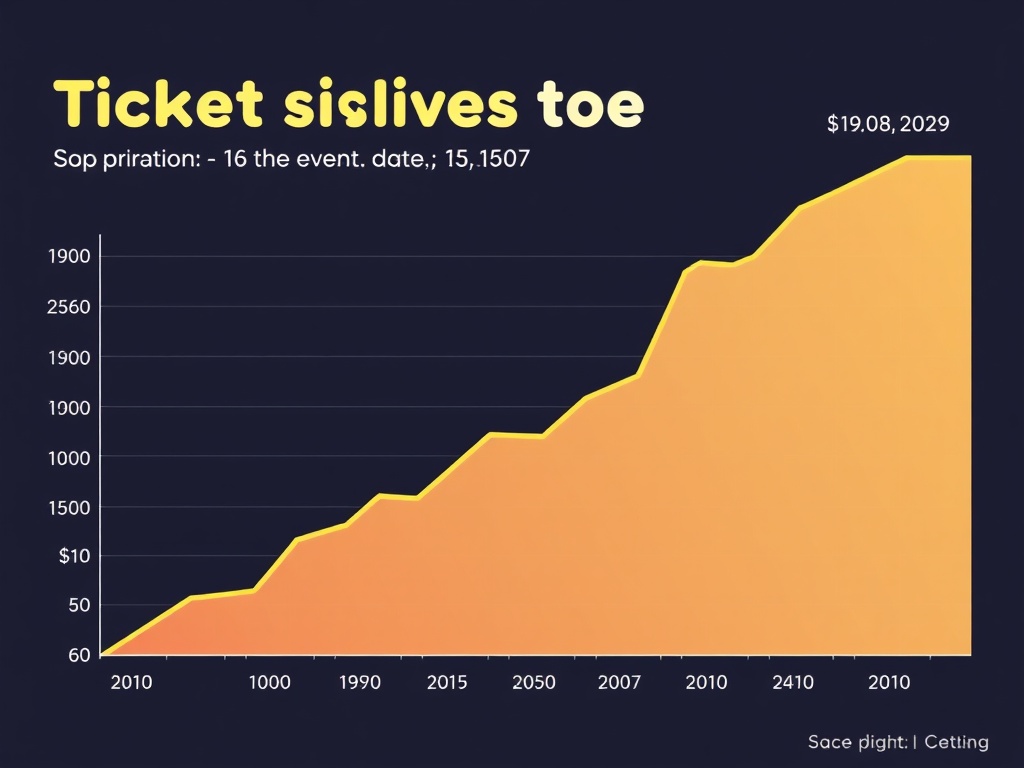
What most buyers miss is the correction window. This is when sellers who overpaid or speculated start lowering prices to avoid losses. It’s quiet, easy to miss, and often where the best deals live.
How to Actually Use This Rule
“Don’t buy at peak emotion” doesn’t mean “wait blindly.” It means replacing urgency with observation.
1. Track Instead of Buying Immediately
When tickets drop, resist the urge to commit. Watch how sections fill, how prices shift, and how resale platforms react within the first 24–72 hours.

You’ll start seeing patterns quickly:
- Some sections artificially inflate
- Others quietly stabilize
- New inventory sometimes appears
2. Identify the Artificial Peak
Not all high prices are real demand. Many are speculative listings. The tell? Prices that spike fast without corresponding sales volume.
When you see dozens of similar listings sitting unsold, that’s not scarcity—it’s noise.
3. Wait for the First Dip
The first meaningful drop is usually your safest entry point. It signals that sellers are adjusting expectations.
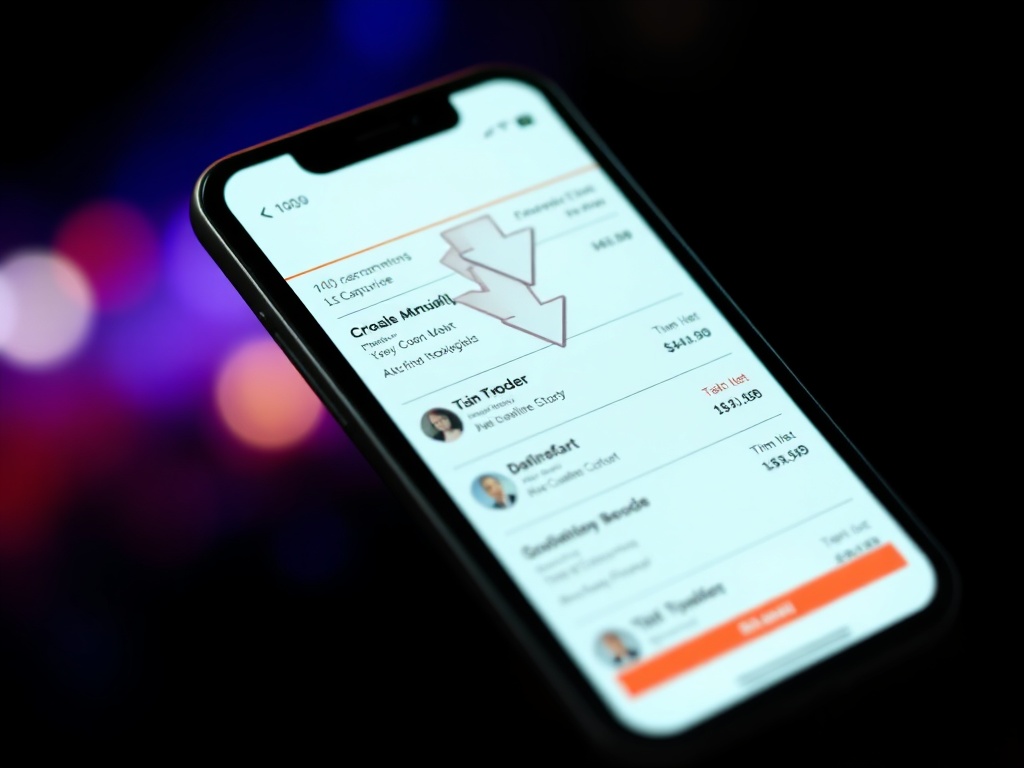
This dip often happens within days of the initial sale, but can also appear weeks later depending on the artist and venue.
4. Use Dead Zones to Your Advantage
Every tour has quiet periods—times when attention shifts elsewhere. Prices soften here because fewer buyers are actively searching.
Examples include:
- Midweek periods
- After major tour announcements settle
- Competing events drawing attention
5. Only Break the Rule When Data Says So
There are exceptions. Ultra-high-demand shows (small venues, limited dates) may never dip significantly. But even then, watching early behavior gives you signals:
- Listings disappearing fast → real demand
- Listings lingering → inflated pricing

The Collector Mindset vs. The Fan Mindset
Fans buy experiences. Collectors buy opportunities.
That doesn’t mean you care less about the show—it means you understand the market around it.
Collectors:
- Watch trends before committing
- Avoid emotional spikes
- Know when to wait—and when to strike
Fans (most of the time):
- Buy immediately out of fear
- Assume prices only go up
- Overpay for peace of mind
Real-World Example Pattern
A typical arena show might look like this:
- Day 1: Tickets drop, chaos, high prices
- Day 2–5: Resale floods in, prices peak
- Week 2–3: Prices soften as listings compete
- Week of show: Mixed—last-minute deals or spikes
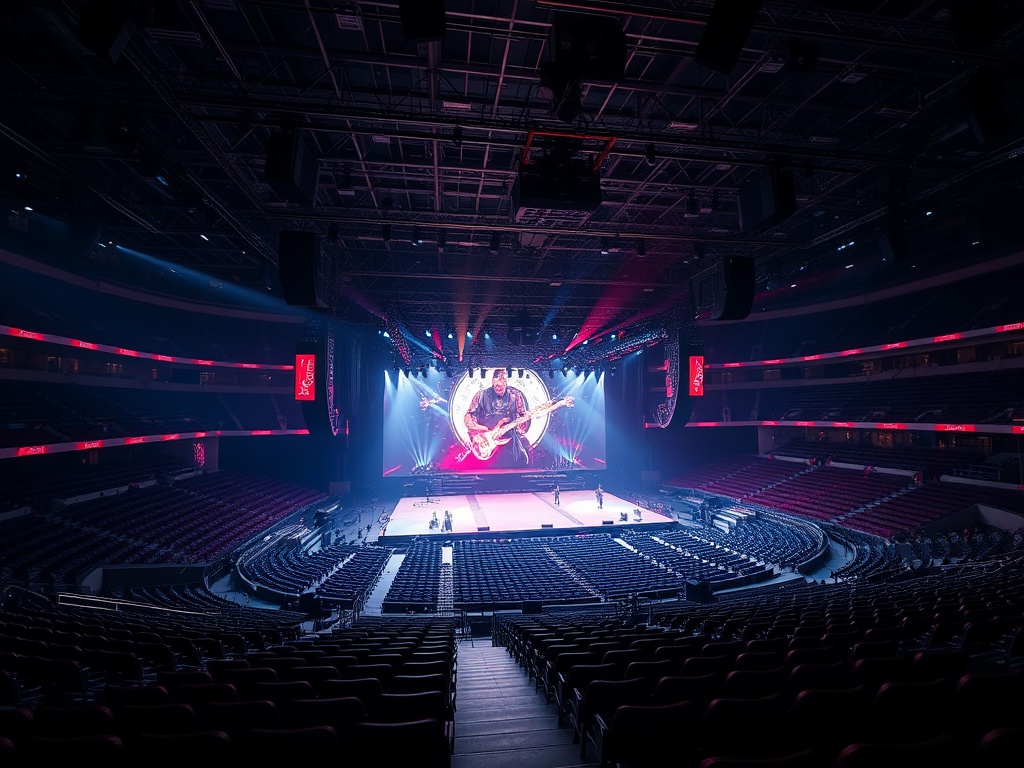
The biggest mistake? Buying on Day 1 or Day 2 without context.
Psychology: Why This Rule Is Hard to Follow
This rule sounds simple—but it fights human instinct.
- Scarcity bias: You believe tickets are disappearing faster than they are.
- Loss aversion: Missing out feels worse than overpaying.
- Social proof: Seeing others buy validates bad timing.
The ticket market exploits all three.
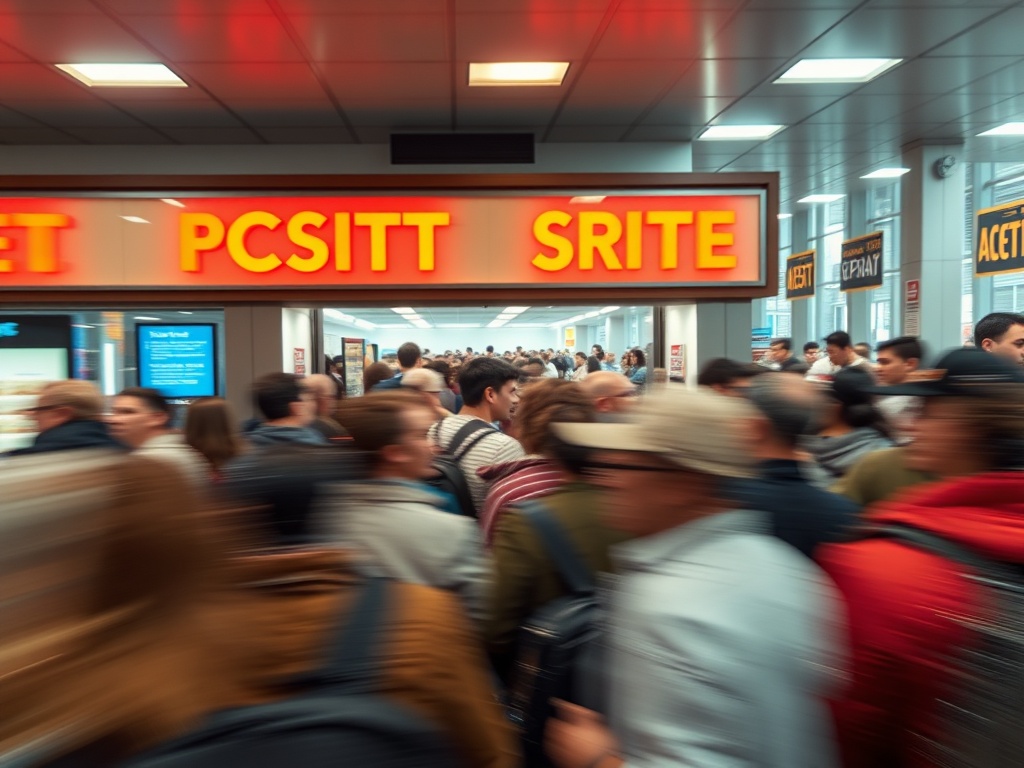
When Waiting Saves You Hundreds
It’s not uncommon to see 20–40% price differences between peak emotion buying and correction windows. Multiply that across multiple shows, and the savings become serious.
But more importantly, waiting often improves seat quality. Sellers adjust not just price—but positioning.
The One-Line Takeaway
Buy when the market is quiet—not when your emotions are loud.
That single shift changes everything. It turns ticket buying from reactive to intentional—and over time, it’s the difference between constantly chasing tickets and consistently landing them.

Final Thought
You don’t need insider access, bots, or luck to get better tickets. You need patience and pattern recognition. The market isn’t random—it’s predictable if you stop reacting to it.
And once you internalize this rule, you’ll start noticing something: the best seats don’t always go to the fastest buyers—they go to the calmest ones.