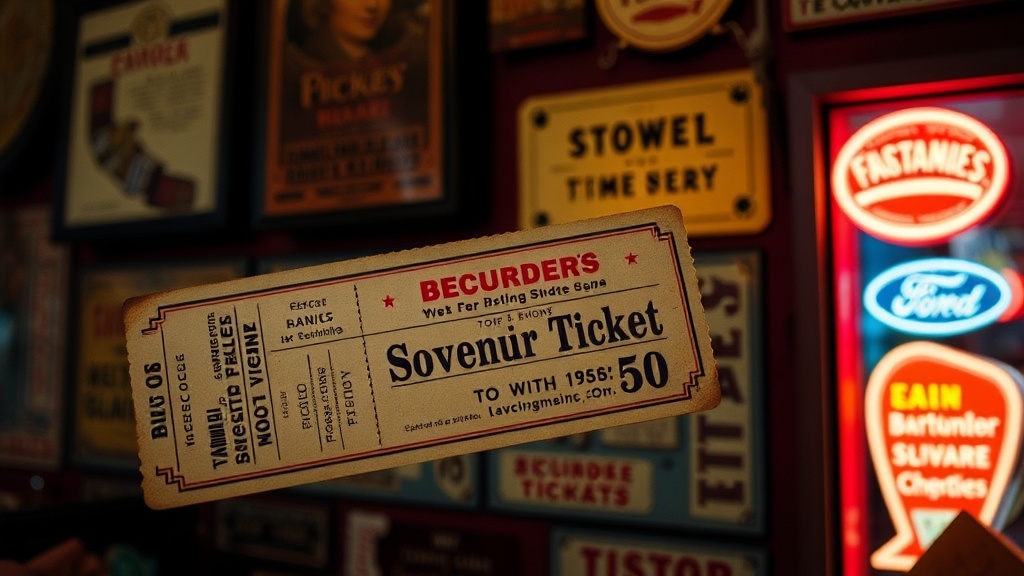
Protecting Your Vintage Souvenir Ticket Collection

Most collectors assume a simple photo album is enough to save their collection.
It isn't. While a standard album might keep your tickets from getting lost in a drawer, it does nothing to stop the chemical breakdown of paper, the fading of ink, or the creeping danger of acid migration. This post covers the specific methods for preserving vintage paper ephemera, focusing on the environmental controls and storage materials required to keep your concert souvenirs in mint condition. We’ll look at the physics of paper aging and the specific tools you need to prevent your most prized tickets from turning yellow and brittle.
If you've spent years hunting down rare stubs from the 1970s or 1980s, you know that even a tiny bit of moisture can ruin a piece of history. A single bad storage decision can turn a high-value souvenir into a pile of useless scraps. It's a frustrating reality for any serious collector.
How do I prevent paper discoloration and yellowing?
To prevent discoloration, you must store your tickets in acid-free, lignin-free materials and keep them away from direct UV light. Most vintage tickets are printed on paper that contains lignin—the organic polymer that makes wood pulp brittle and turns it yellow over time. If you don't use a barrier, that acid will bleed into the ticket itself.
The first step is checking your current storage. If you're using standard "collectors" albums from a big-box craft store, you might actually be hurting your collection. Many of those products aren't truly archival. They might be "acid-free" today, but they don't account for the way gases interact with the paper over decades.
Here is what you should look for when buying supplies:
- Archival-grade Polypropylene: Avoid PVC at all costs. PVC (polyvinyl chloride) emits gases that can literally melt or "fog" the surface of your tickets. Look for sleeves labeled "PVC-free" or "Archival-safe."
- Lignin-Free Paper: This is the gold standard for backing boards. If your tickets are mounted, ensure the board itself won't contribute to the decay.
- Museum Wax/Gel: If you display pieces, use a tiny amount of museum-grade putty rather than heavy adhesives.
I've seen so many collectors lose value on a 1975 Pink Floyd stub simply because they tucked it into a book with a cheap, acidic binding. The paper turns a nasty shade of amber, and once that happens, you can't really go back. It's a permanent change to the fiber of the paper.
For more on the technical side of paper chemistry, the Wikipedia entry on acid-free paper provides a great deep dive into why these materials matter so much. It's not just about being "fancy"—it's about the actual science of the material.
The Three Enemies of Paper Collections
Before we get into the gear, you need to understand the three main culprits that destroy paper. You can't fight what you don't recognize.
- Light: UV rays act like a slow-motion bleach. Even indirect sunlight through a window can fade the ink on a concert ticket in a matter of months.
- Humidity: High humidity leads to mold and "foxing" (those little brown spots you see on old books). Low humidity makes the paper brittle and prone to cracking.
- Temperature Fluctuations: Moving from hot to cold causes the fibers to expand and contract, which eventually weakens the structural integrity of the ticket.
What are the best storage containers for vintage tickets?
The best storage containers are airtight, light-proof, and made of chemically inert materials like high-density polyethylene or archival-grade polyester. You want to isolate the ticket from the atmosphere as much as possible.
If you're a "display" collector, you probably want your tickets out where you can see them. That's fine, but you need to be smart about it. A glass frame is great, but a standard picture frame is often a trap. Most cheap frames use acidic cardboard backing and don't have a UV-protective layer on the glass. This means the light hits the ticket, and the acid from the backing seeps into the edges of the paper.
I usually recommend using a shadow box with UV-filtering acrylic instead of standard glass. It’s a bit more expensive, but it's a small price to pay for the long-term survival of a rare piece. If you're just storing them in bulk, heavy-duty archival boxes are your best friend.
| Method | Pros | Cons |
|---|---|---|
| Standard Photo Album | Cheap, easy to use | High risk of acid migration and PVC damage |
| Archival Sleeves (Polypropylene) | Excellent protection, very stable | Requires manual handling to insert |
| UV-Filtered Shadow Box | Great for display, looks professional | Expensive, still requires controlled environment |
| Acid-Free Storage Boxes | Best for bulk, very safe | No way to view pieces without touching them |
If you're looking for specific brands, I've always trusted the quality of Lineco products for my paper-based collections. They are a standard in the archival world for a reason. Their pH-neutral materials are consistent.
One thing to watch out for is the "collector's instinct" to touch everything. Every time you pick up a ticket to show a friend, you're transferring oils from your skin. These oils are acidic. Over time, those fingerprints can become permanent stains. If you're handling something truly rare, use way more care than you think you need. Use cotton gloves, or at the very least, make sure your hands are incredibly clean and dry.
If you're still in the phase of acquiring your collection, you'll want to be careful about how you source them. A poorly kept ticket from a damp basement is a bad investment. You might want to read my post on how to buy concert tickets without getting burned to ensure you're getting high-quality specimens from the start.
How do I maintain a controlled environment?
Maintaining a controlled environment means keeping your storage area in a room with a stable temperature (around 65-70°F) and a relative humidity of 35-50%.
You don't need a professional-grade laboratory in your house. A simple hygrometer—a small, inexpensive device that measures humidity and temperature—will tell you exactly what's happening in your storage area. You can find these at most hardware stores. If you see the humidity spiking above 60%, you're in the danger zone for mold. If it drops below 30%, your paper is at risk of becoming brittle.
The most common mistake I see is storing collections in an attic or a basement. Never do this. Attics are too hot and the temperature swings are too violent. Basements are often too damp. A closet in a living area of your home is much more stable. It’s a simple rule: if you wouldn't want to sleep in that room, don't store your collection there.
If you live in a climate with extreme seasons, a small dehumidifier can be a lifesaver. It's a much better investment than a fancy new display case. A beautiful case won't matter if the air inside it is thick with moisture. You have to treat the environment first, then the display.
One last tip: if you have a piece that is already showing signs of "foxing" or heavy discoloration, don't try to "clean" it yourself with household chemicals. You'll likely destroy the ink or the paper fibers. At that point, it's best to consult a professional conservator. It's better to have a slightly yellowed ticket that is structurally sound than a white one that's been ruined by bleach.
Steps
- 1
Assess the Material Condition
- 2
Select Acid-Free Sleeves
- 3
Avoid Direct Sunlight
- 4
Control Humidity Levels